Follow our journey through time
Our story
Our history is filled with events that have shaped us into who we are today. Here you can explore some of the most important milestones along the way.

Henric Åkesson Planted the First Apple Trees
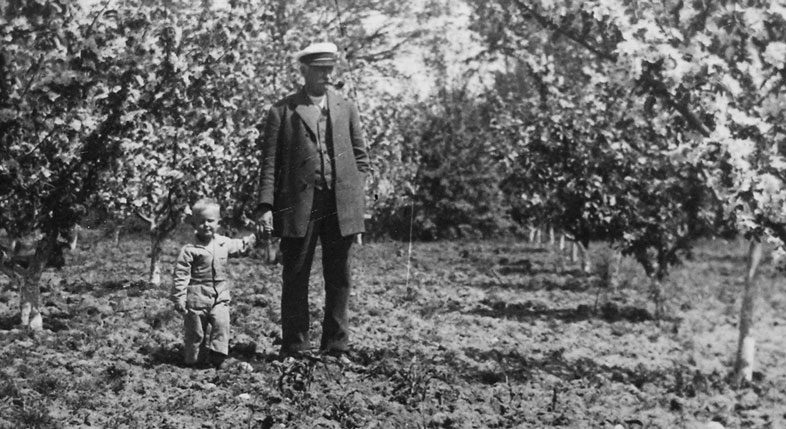
It was here in Kivik, on the slopes of Stenshuvud, that the first seed of Kiviks Musteri was planted in 1888, when Henric Åkesson planted the apple trees that would become Sweden’s first commercial fruit orchard. Even then, he recognised that the trees thrived in the mineral‑rich, sandy soils of Österlen. This marked the beginning of the family business that would grow into Kiviks Musteri.
The Cidery Is Built
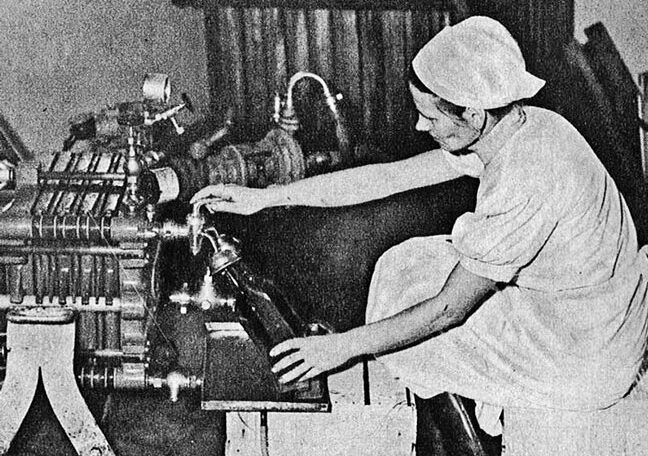
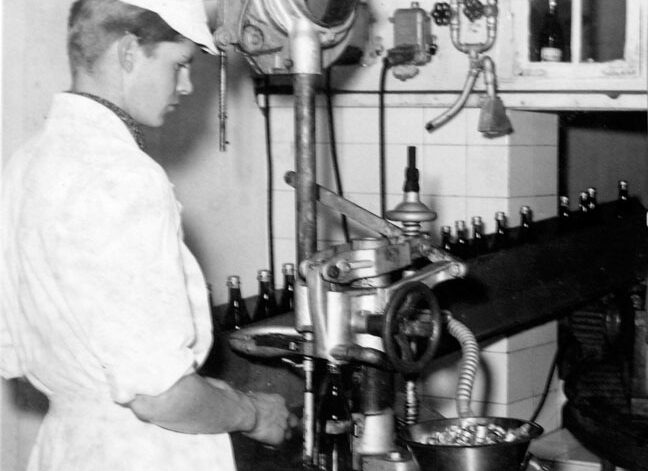
Up until this point, the family had successfully grown and sold their fruit throughout the region. In 1935, Henric’s son Ivar came up with the idea of starting a cidery in the orchard — a small‑scale operation dedicated to transforming apples into apple must. New markets opened up, and soon Apple Must from Karakås, Kiviks Musteri was born. At the time, the apples were crushed, pressed, and the 100‑degree must was bottled, corked, and labelled by hand. All work was done manually, and the apple press consisted of a hand‑powered mill. (Today, Kiviks Musteri presses eight tonnes of apples in just two hours.)

Technology Arrives in 1950
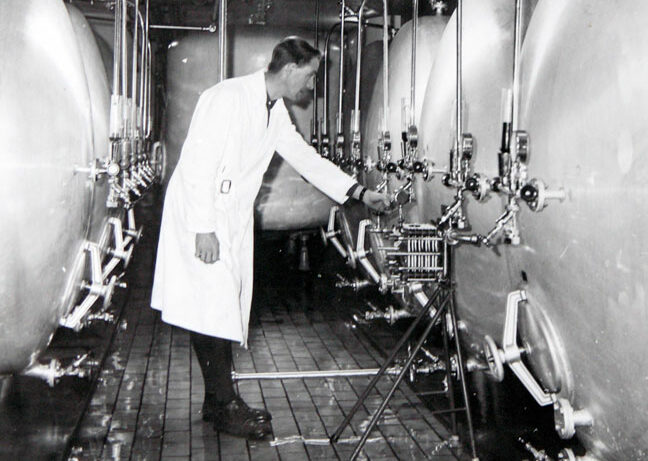
The company continued to grow, and when Ivar’s son Ingvar took over in 1950, he acquired additional land and planted even more apple trees. The cidery began using what were, at the time, modern machines, while bottling, corking, and labelling were still done by hand.

We Begin Fermenting Cider
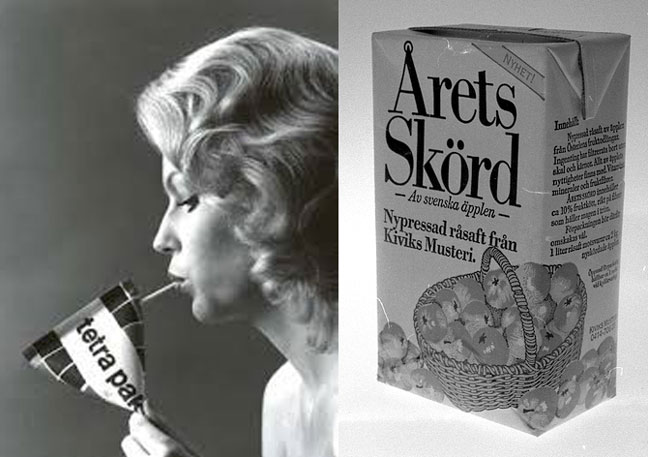
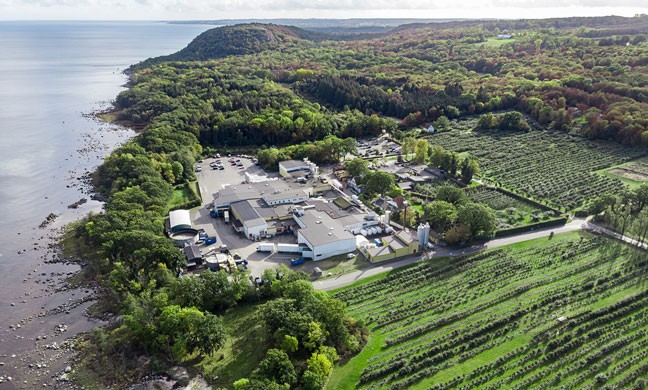
In the mid‑1960s, the small cidery was transformed into a modern industrial operation. In 1969, cider production began, and cider from Kivik quickly gained popularity. One of our very first cider varieties, Kiviks Herrgård Cider, is still produced today. We installed a concentrate and aroma‑recovery facility, which made it possible for Kiviks Musteri — as the only company in Sweden at the time — to produce apple juice all year round.

Tetra Pak

The Musteri Shop Opens
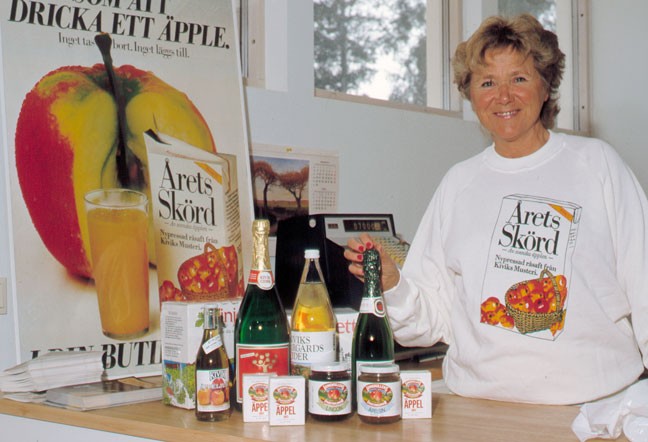
As Kiviks Musteri continued to grow, visiting us also became increasingly popular. In the late 1980s, Gunnel Åkesson of the third generation opened our very first small shop at Kiviks Musteri. In 1996, Äpplets Hus (The House of the Apple) was established — a centre of knowledge offering inspiration and information about everything related to apples: history, cultivation, harvest, research, and processing.

The Apple Market Is Introduced
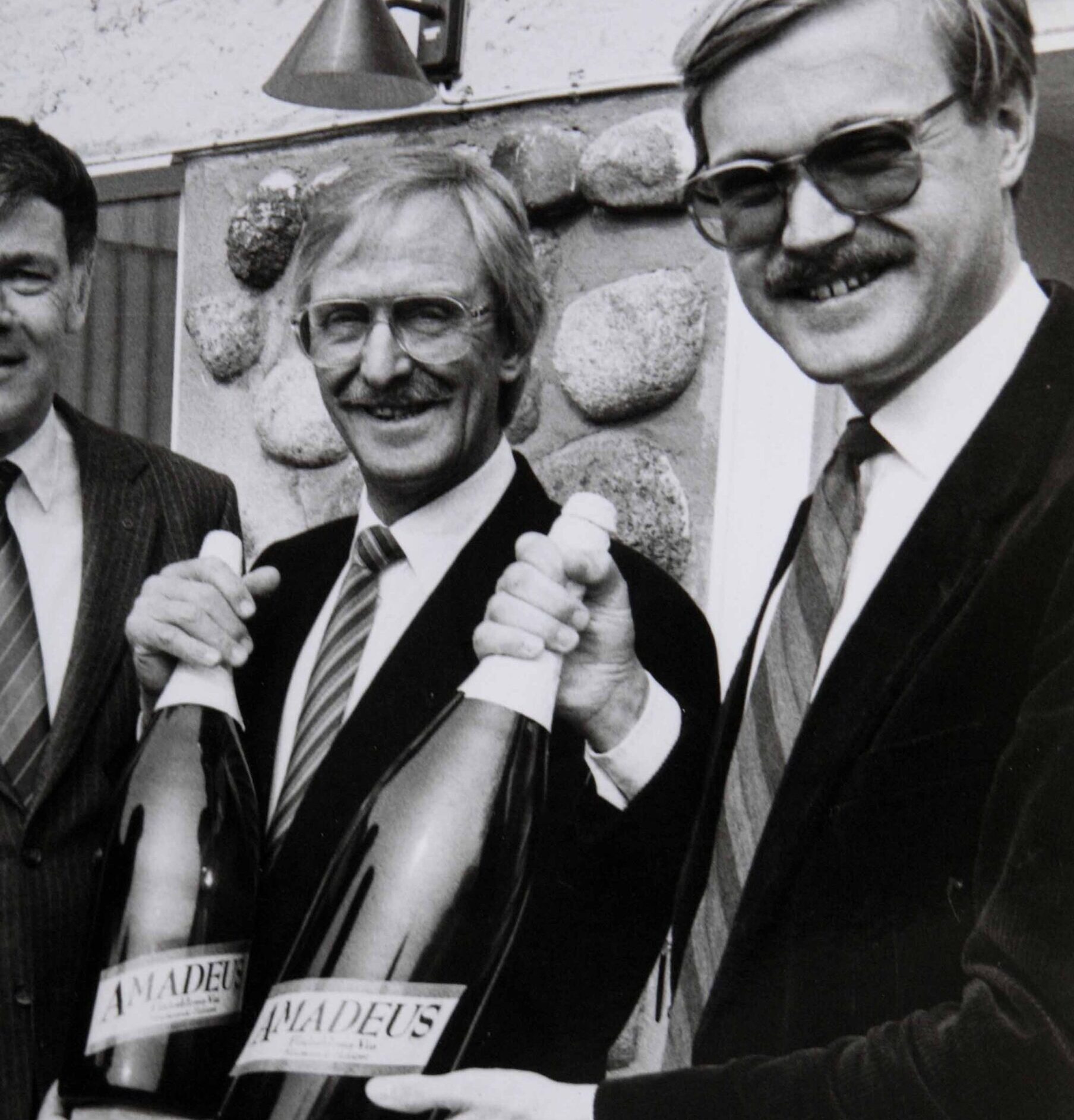
In 1988, import protection for foreign fruit was removed, prompting a coordinated effort to raise positive awareness of Swedish fruit. Ingvar was one of the initiators behind the campaign “Swedish Apples 1988”, and on 16 October 1988, the very first Apple Market (Äppelmarknaden) took place in the town square in Kivik. Earlier, in 1985, Kiviks Musteri had developed Sweden’s first sparkling wine, Amadeus. The sparkling beverage was an immediate success — and just three weeks after its launch, not a single bottle could be found at Systembolaget.

A Generational Transition
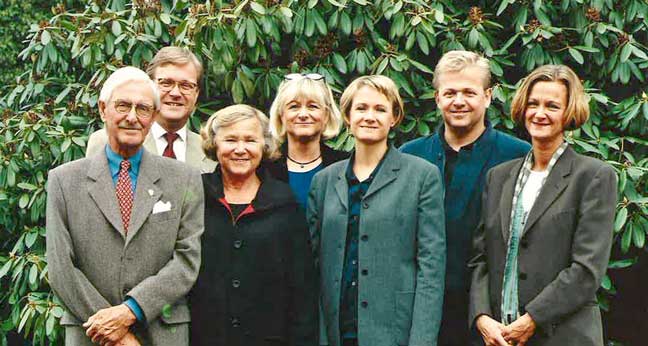
In 1999, the next generational transition took place at Kiviks Musteri. Siblings Kristina Levinsson and Bengt Åkesson took over the baton and the leadership of the Kivik Holding Group. Five years later, Åkesson Vin was acquired, and another five years after that, Kronovalls Vinslott also became part of the group’s operations. In 2012, Stinas Café opened, and a short while later, our own plant nursery was established.

The Company Continues to Grow
During the 2010s, the company continued to expand. Solnäs Gård in Fjelie, outside Lund, together with its 20 hectares of orchards, was incorporated into the business, significantly increasing the size of our apple cultivation. Today, we are a modern industrial company with a highly diversified operation. This includes our visitor destinations, which welcome more than 250,000 visitors each year, as well as Restaurant Kärnhuset, the Musteri Shop, Äpplets Hus, and our display gardens. At the same time, we are one of Sweden’s larger apple growers, engaged in both organic and conventional cultivation. Our diversity, combined with our strong roots and close connection to our core business, is our greatest strength. With this solid foundation, we face the future with confidence and optimism.