A craft beverage with tradition
What is cider?
A pure product of nature
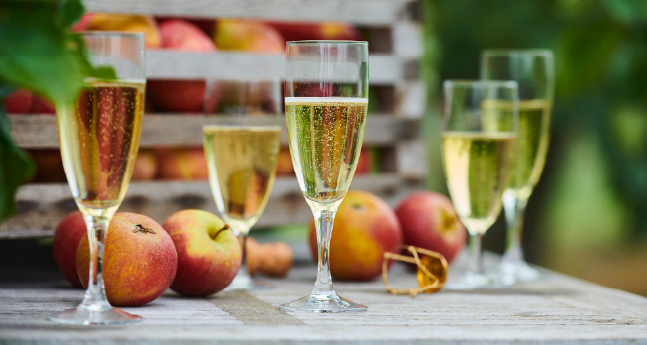
Cider is more than a fresh, sparkling drink. It is a tradition with deep roots, a beverage defined by regulations, and a craft shaped over time. Here, we explain what makes a drink a cider, how cider has evolved in Sweden, and how we produce it at Kiviks Musteri.
Three paths to cider
How cider is made
1. The blending method
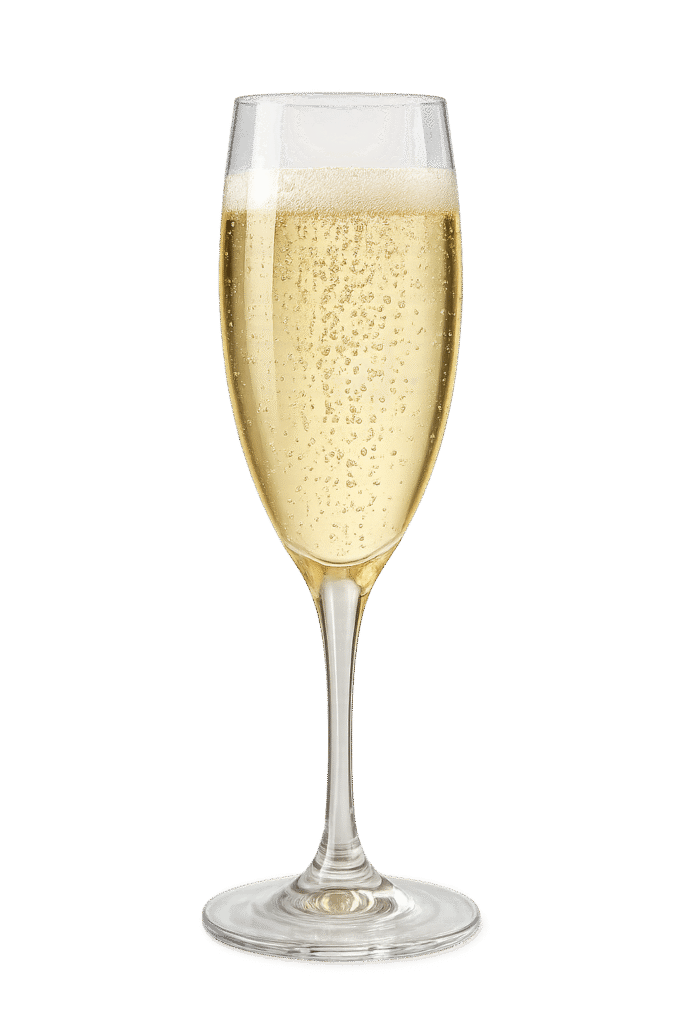
The juice is first fermented in tanks, then blended with freshly pressed apple or pear juice. To give it a bright, lively character, carbonation is added. The method is quick and straightforward, which makes it common in modern cider production. The result is an easy-drinking cider with a clean, distinct fruit profile.
2. The tank fermentation method
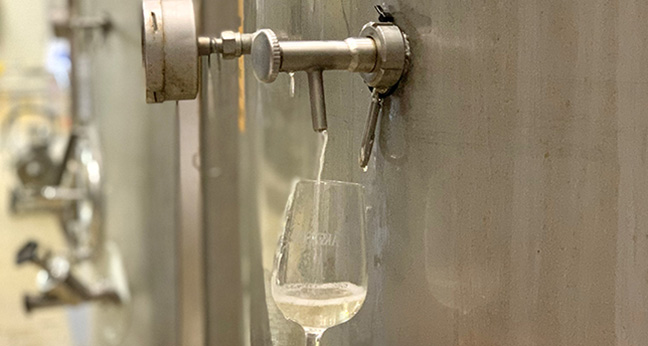
In this method, the juice ferments in large, pressurized tanks under controlled conditions. The natural carbonation that forms during fermentation is retained, creating lively bubbles. Once fermentation is complete, the cider is filtered for clarity and stability. The result is a fresh, well-balanced cider with naturally sparkling character.
3. Bottle fermentation
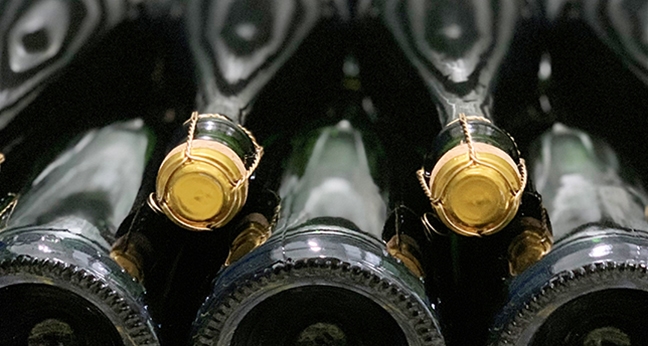
In this method, the cider undergoes a second fermentation directly in the bottle, creating natural carbonation. The bottles are stored in a wine cellar, where the yeast sediment slowly settles at the bottom. Once the aging process is complete, the sediment is removed through a process known as degorgering. Metoden ger en komplex, fyllig och vinlik cider som används för våra mest exklusiva sorter.
A tradition that lives on
A drink with history
Cider is nothing new in Sweden — but the rules and definitions surrounding it have evolved over time.
Early 19th century
In Sweden, small-scale cider making begins — often in households or on small farms. The drink resembles its European counterparts but is still uncommon outside local production.
1969
Kiviks Musteri ferments its very first cider, marking an important milestone in the company’s history — and the beginning of a long-standing cider-making tradition in Österlen.
The 1990s
Swedish cider evolves, gaining a higher alcohol content than before. During this period, new styles emerge, making cider more diverse — and increasingly popular.
2005
The Swedish Food Agency establishes, for the first time, a clear definition of what may legally be called cider in Sweden. The regulations specify the allowed ingredients, alcohol content, and minimum fruit juice requirements.
Apples take center stage
We grow for flavor
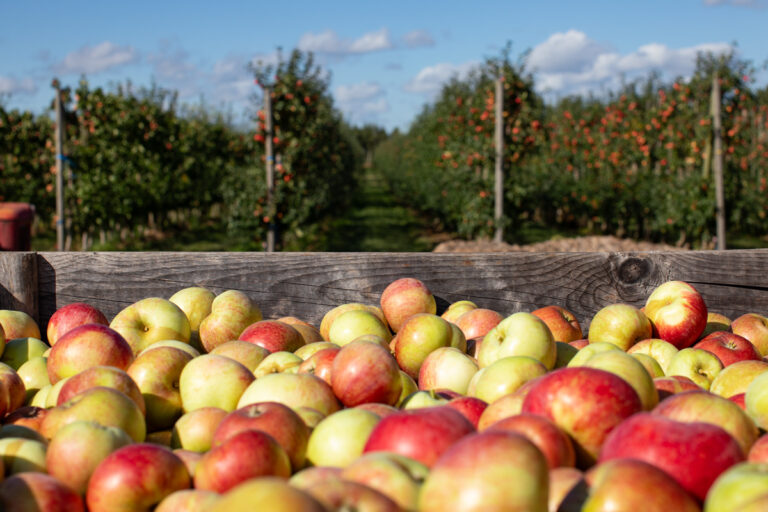
When we make cider, the flavor and character of the apples are always at the heart of the process. Our philosophy is to grow for taste. Swedish apples offer endless possibilities when it comes to flavor!
Cider making really begins the moment we plant the apple trees — deciding which varieties suit which type of cider, and where they should grow. Soil, weather, wind, and sunlight all leave their mark on the flavor of the apples. Even apples picked from the very same tree can taste different from year to year, depending on nature’s conditions. Knowing the perfect time to harvest is an art in itself — finding that delicate balance between acidity, sweetness, and aroma. Every step in the cider-making process influences the final taste. The result is crisp, apple-forward ciders reminiscent of sparkling wine.
At Kiviks Musteri, we’ve been growing apples for five generations and crafting cider since 1969. In short — we love Swedish apples and are passionate about showcasing all their wonderful qualities!
Österlen
The heart of apple growing
Most of Sweden’s apples are grown here in Österlen, Skåne. This is where sandy soils meet a unique coastal climate — ideal conditions for apple cultivation. The cool Baltic Sea springs protect the trees from early blooming, while the warm autumn days and crisp nights allow the fruit to develop its full flavor.
At Kiviks Musteri, we grow around 50 apple varieties — from beloved classics to rare and unique ones. Each variety is planted where it thrives best and allowed to ripen fully on the tree. The most characterful apples become our award-winning juice and cider, while the rest are put to good use — nothing goes to waste.