Everything You Need to Know About
Swedish Apples
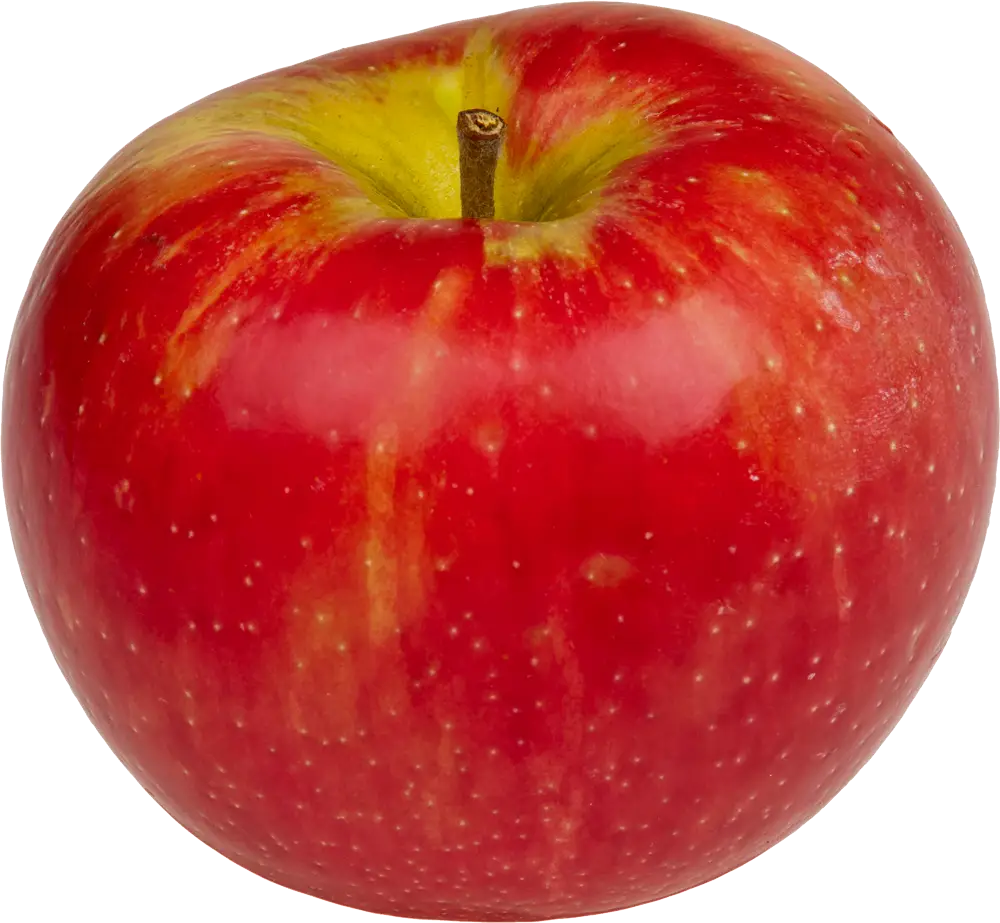
Swedish apples are more than just a fruit — they are part of our culture, our childhood memories and our autumn traditions. Biting into a Swedish apple is like tasting the landscape itself: fresh winds, long summer days and cool nights. The result is fruit with depth of flavour and a distinctive character. Here you can explore the varieties, aromas and diversity that make Swedish apples so special. Tart and sweet flavours meet crisp textures and juicy bites. Whether eaten straight from the tree, baked into a pie or pressed into apple must, Swedish apples always offer a taste experience that feels like home. Discover our unique varieties, their uses and why they taste their very best when grown here in Sweden.
Why Swedish Apples?
There is a reason …
Why Swedish Apples Taste Best
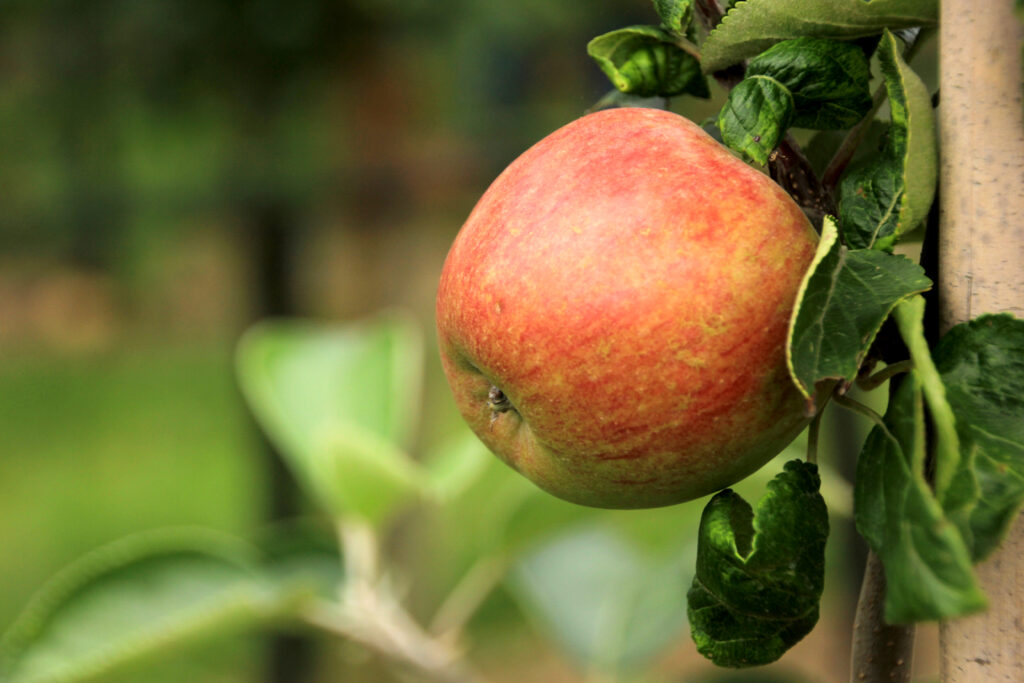
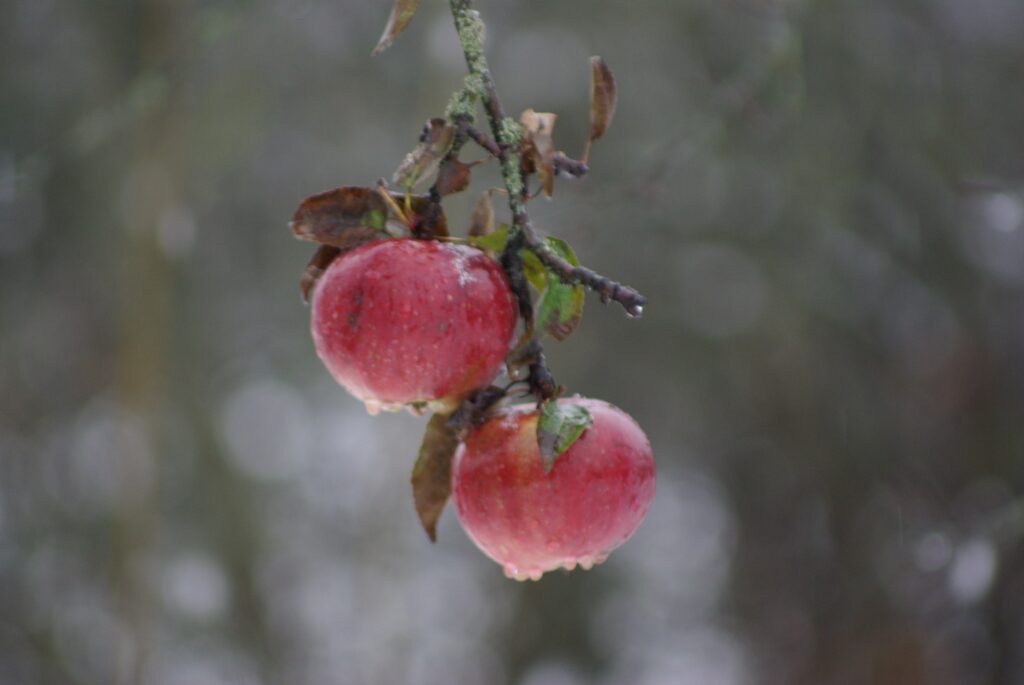
Sweden is home to more than 200 apple varieties — each with its own aroma and balance of sweetness and acidity. Thanks to our unique climate, with long bright days and cool nights in late summer and autumn, the fruit ripens slowly and evenly. The result is apples with deeper flavour than those grown further south. Swedish apples are also known for their thin, crisp skins — a quality that makes them especially enjoyable to eat.
Apple Harvest Season
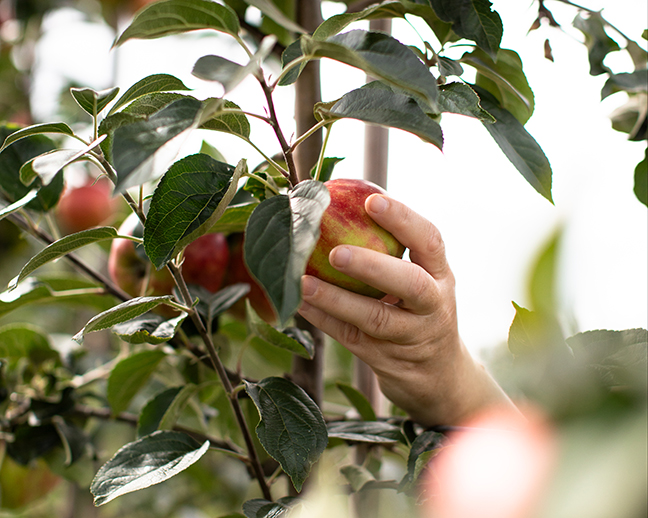
Around 20,000 tonnes of apples are harvested in Sweden each year — all picked by hand. For apple growers, the work never truly stops: trees must be pruned, cared for and given the right conditions to bear fruit. Pruning is one of the most important steps in ensuring a rich, high-quality harvest. Between August and October, harvest season begins. Some varieties ripen early, others later — but all must be picked at precisely the right moment, when flavour is at its peak.
Enjoy Swedish Apples All Year Round
Thanks to research and modern storage technology — known as ULO storage (Ultra Low Oxygen) — the autumn apple harvest can be preserved long after picking. Apples are stored in refrigerated rooms with very low oxygen levels, slowing the ripening process. The fruit continues to breathe, but at a much slower pace. When the storage rooms are opened, the apples look and taste just as they did when first stored — allowing us to enjoy Swedish apples all year round.
Swedish Apples Through the Ages
Swedish apples have been cultivated for several hundred years. From monastery gardens and the rise of pomology to modern orchards in Österlen — here are some important milestones in Swedish apple history.
17th Century
In Sweden, small-scale cider making begins — often in households or on small farms. The drink resembles its European counterparts but is still uncommon outside local production.
19th Century
Pomology develops as a field of study, and several classic Swedish apple varieties are documented and refined. Apples become an important part of household economy and Swedish food culture.
1888
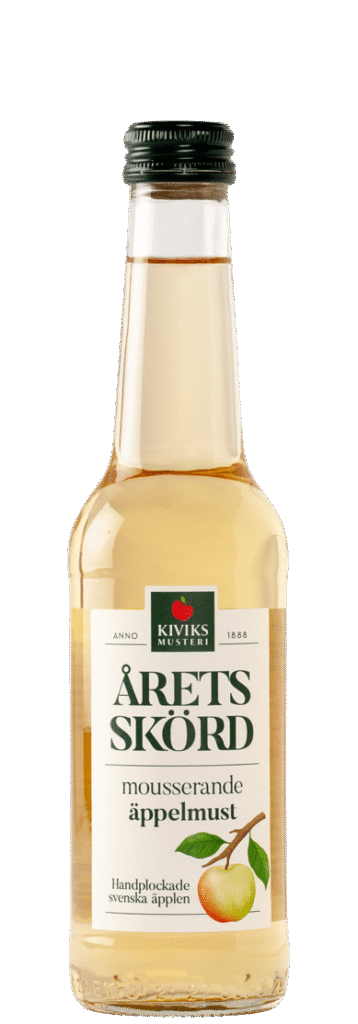
Henric Åkesson founds Kiviks Musteri in Österlen, establishing a tradition of cultivation and refinement that would come to shape Swedish apple culture.
Today
Sweden has more than 200 apple varieties. With modern cultivation and storage methods, Swedish apples can be enjoyed all year round — from juicy late-summer apples to crisp winter favourites.
How the Flavour of Our Apples Is Shaped
Terroir & Cuvée
At Kiviks Musteri, we grow around fifty different apple varieties. As in the world of wine, terroir plays a decisive role — the interaction between soil, climate and the unique conditions of place. In Österlen, this means fresh sea breezes, limestone-rich soils and many hours of sunshine, all contributing to the apples’ distinctive flavour and character.
When creating our apple must, we often work with cuvée — blending several varieties to achieve the perfect balance of sweetness, acidity and aroma. Some varieties are grown as eating apples, while others are cultivated specifically for must or cider, but all are allowed to fully ripen on the trees to develop their full potential. In this way, every apple is used and nothing goes to waste.
The Diversity of the Apple
What Can I Make with Swedish Apples?
Apple Pie
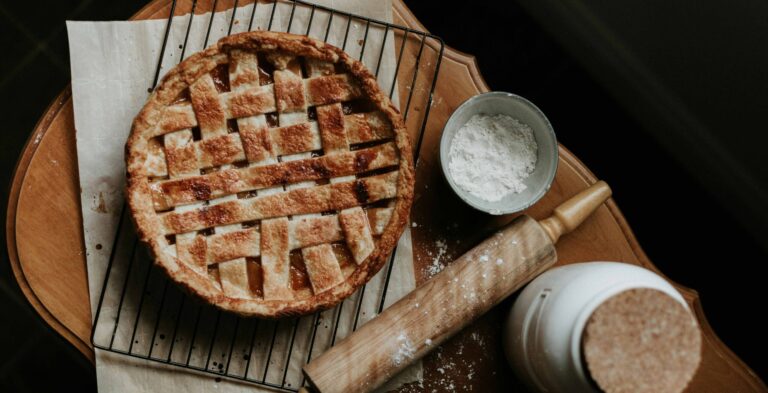
Bake a classic apple pie with crumble topping or puff pastry. Season with cinnamon and sugar and serve with vanilla custard or lightly whipped cream.
Apple Sauce
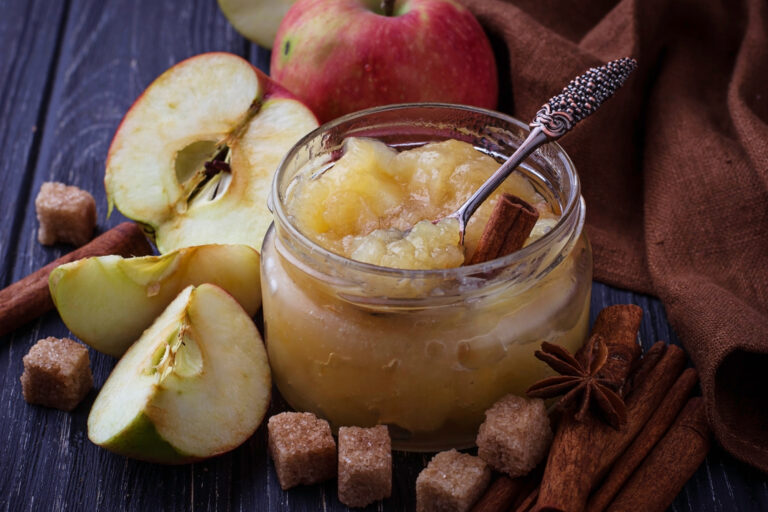
Cook apples with a little water and sugar until soft. Mash into a smooth consistency and add cinnamon or vanilla if desired. Apple sauce works perfectly as a side dish, with pancakes or as an ingredient in baking.
Apple Must
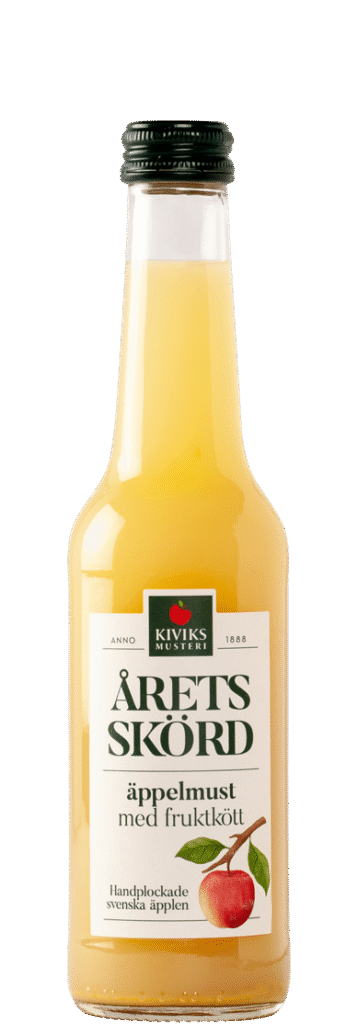
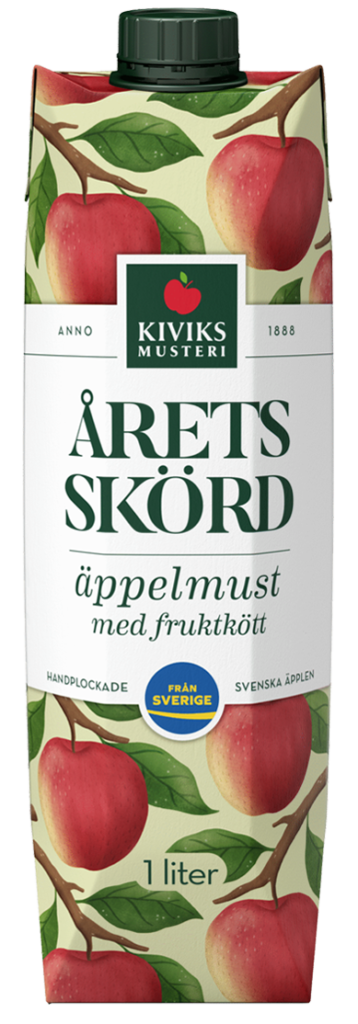
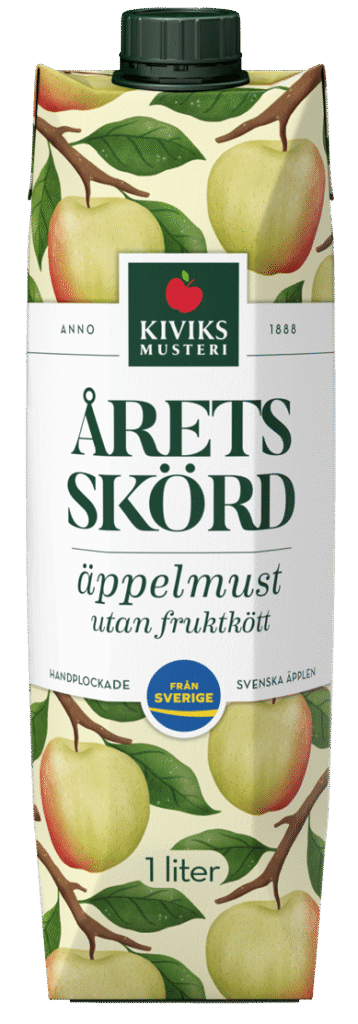
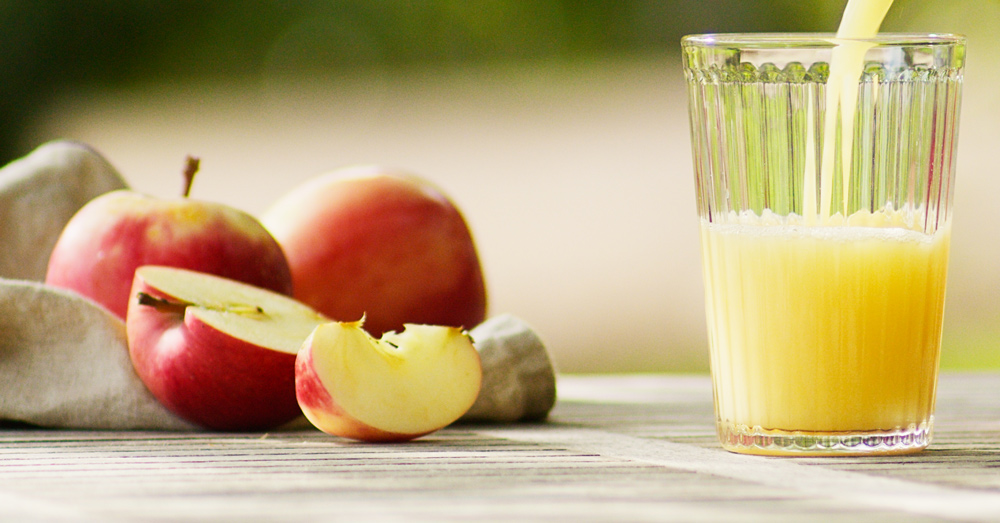
Press Swedish apples to make your own apple must. Drink it fresh or use it as a base for smoothies and cocktails.