Simple steps to fresh, bubbly cider at home

Make your own cider

Start / Learn & Taste / What is cider / Make your own cider

Making your own cider is easier than you might think — and more fun too. With the right apples, a bit of patience, and a few simple steps, you can transform fruit from your garden into a fresh, sparkling drink with a character all of its own. Here, we show you how to get started — from apple must to finished cider.

Step by Step to Finished, Sparkling Cider

How to Make Your Own Cider

1. Measuring

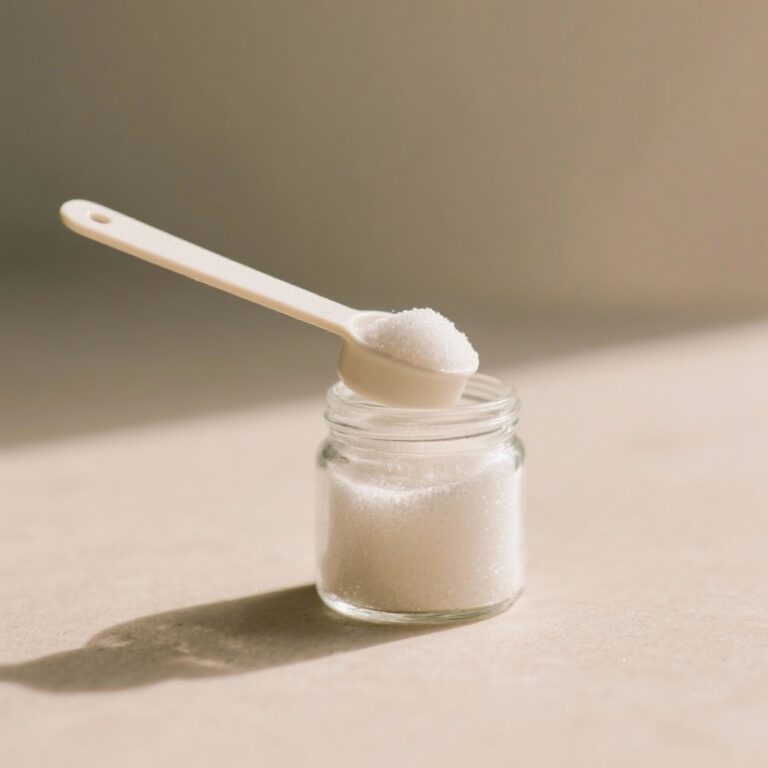
Start by measuring the sugar content of the apple must. This helps you estimate the expected alcohol level and plan the fermentation correctly.

2. Primary Fermentation

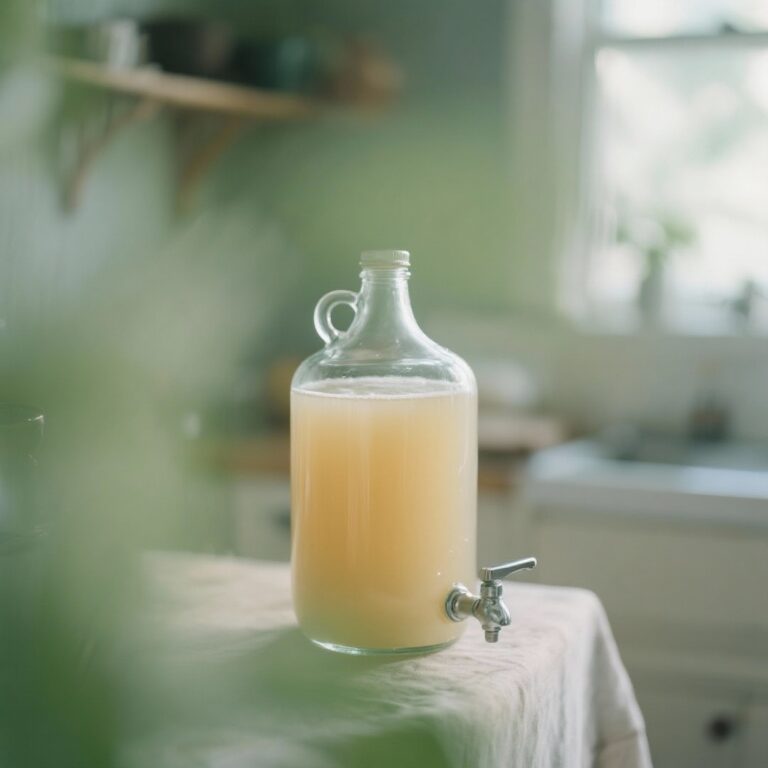
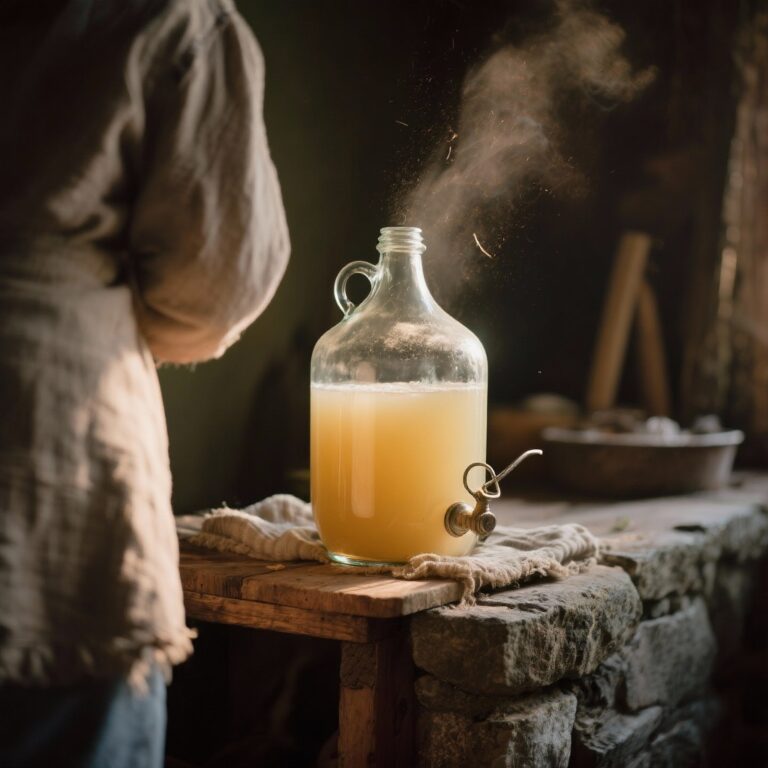
Allow the must to ferment naturally in a cool environment for about a week. A brown “cap” will form on the surface — a clear sign that fermentation has begun.

3. Secondary Fermentation

When the brown cap starts to break apart, it is time to rack the cider into a new container. Let it continue fermenting in cool conditions for a second time.

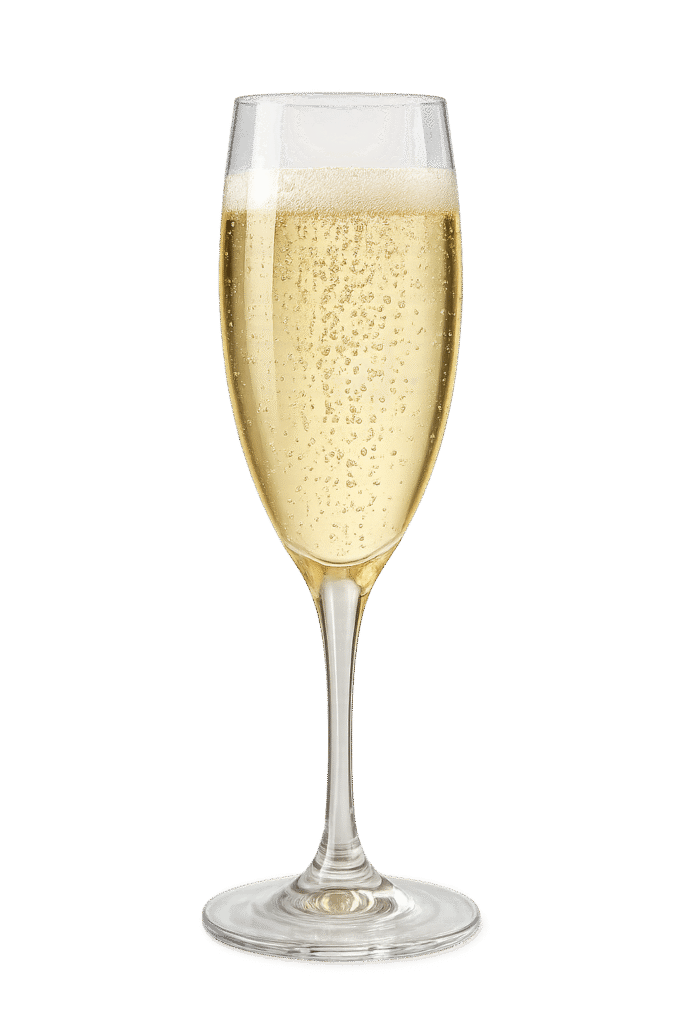
4. Finished Cider

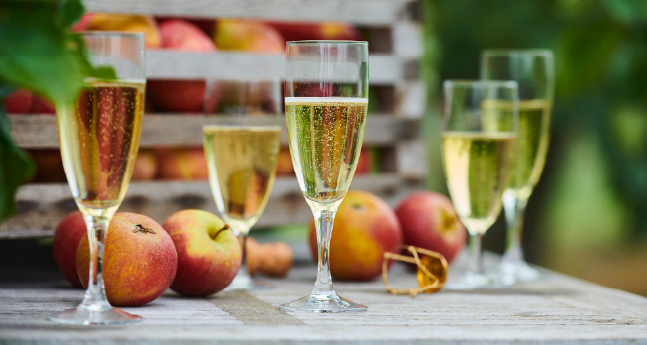
Once fermentation is complete, bottle the cider. Add a small amount of sugar to create natural carbonation, then store the bottles in a cool, dark place — preferably for a few months to achieve the best flavour.

Measuring

Sugar Content, Acidity, and Alcohol Level

When making cider, it is essential that the apples are fully ripe — otherwise fermentation will be weak and the flavour thin. Once the apple must is ready, the next step is to measure its key properties.

Sugar Content

Measure the sugar content using a hydrometer. The value is expressed in degrees Oechsle and should be measured at 20 °C. This provides the basis for calculating the expected alcohol content.

Acidity (pH)

Test the acidity using a pH test. The apple must should be above pH 3.0 for fermentation to start properly. The optimal range is pH 3.2–3.8.

Calculating Alcohol Content

Approximately 17 grams of sugar per litre of liquid produces 1 percentage point of alcohol.

To calculate the alcohol content, take the difference between the apple must’s original sugar level and the value after fermentation, both measured in degrees Oechsle, and divide the result by 7.6.

Example:

1045 – 1003 = 42 degrees Oechsle

42 ÷ 7,6 = ca 5,5 % vol.


Primary Fermentation

This Is When the Brown Cap Forms

Natural Fermentation

Unpasteurised apple must contains naturally occurring wild yeasts that start the fermentation process on their own. This is known as spontaneous fermentation and is the simplest and most authentic way to make cider.

Added Yeast

If you want greater control over the process, you can pasteurise the must and add cultured yeast. The result will vary depending on the yeast strain — always follow the yeast manufacturer’s instructions carefully.

Hygiene

Clean all equipment thoroughly using dishwashing detergent, then rinse with boiling water. Even the smallest traces of dirt or detergent can ruin the fermentation.

How to Proceed

Place the fermentation vessel in a cool environment, 4–10 °C, and cover it with a lid or cloth so that air can enter but insects and debris are kept out. Leave a few centimetres of space at the top to allow for foam formation. Fermentation typically begins after 2–7 days. A brown “cap” of foam will form on the surface — a clear sign that the cider is alive. The cooler the temperature, the more aromatic the final drink will be.

Secondary Fermentation

Developed Flavour Takes Time

Racking

When the brown “cap” begins to break apart, it is time to rack the cider using a siphon. Avoid drawing up sediment from the bottom or foam from the surface. Repeat the racking process about once a month to achieve a clearer, fresher cider.

Low‑Oxygen Environment

Yeast performs best without oxygen. Minimise headspace in the fermentation vessel by topping up with fresh apple must or cider. A useful tip is to save frozen must for this purpose. Seal the vessel properly and use an airlock so carbon dioxide can escape.

Maturation and Flavour

Allow the cider to ferment in cool conditions, 2–10 °C, for 2–3 months. The longer the fermentation, the more complex and nuanced the flavour develops. Measure the sugar content regularly with a hydrometer to monitor the process.

Finished Cider

Bottling, Storage, and Bubbles

Bottling

When the cider reaches 1000–1003 degrees Oechsle, it is time to bottle. Use bottles and caps specifically designed for cider. Make sure the cider is thoroughly chilled — around 2 °C — to preserve carbonation, alcohol, and aromas.

Storage

Store the bottles in a dark, cool place with a stable temperature. Allow the cider to mature for at least a couple of months, preferably longer. Over time, the flavours round out and complexity increases. A well‑made cider can be stored for several years.

Creating Carbonation

Want bubbles? Add a small amount of sugar or apple must at bottling — or bottle the cider before fermentation has fully finished. Be cautious with the amount: too much sugar can create excess pressure and cause bottles to burst.