Simple steps to fresh, bubbly cider at home

Make your own apple must

Start / Learn & Taste / What is apple must? / Make your own apple must

Making your own apple must is an easy way to use apples and enjoy the fruit’s pure, unaltered flavour. Apple must contains no added sugar, no yeast, and no alcohol — just freshly pressed apples. Below are the basics of how to turn fresh apples into finished apple must.

Step by Step to Rich, Full‑Flavoured Apple Must

How to Make Your Own Apple Must

1. Sorting and washing

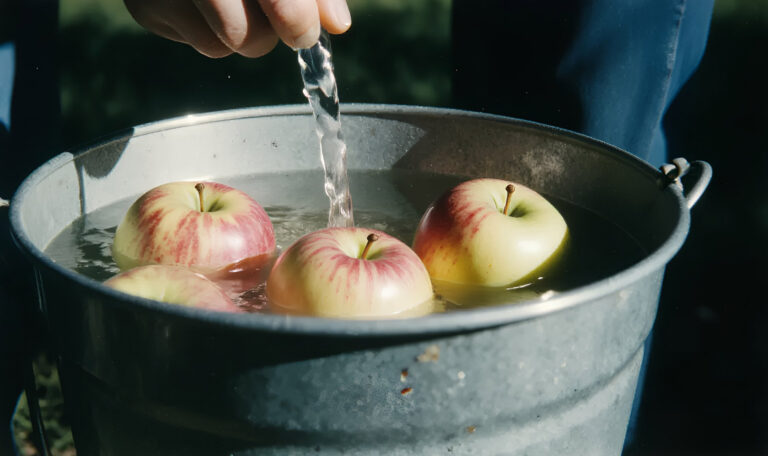
Choose ripe, healthy apples. Wash the fruit thoroughly to remove dirt and debris.

2. Crushing the apples

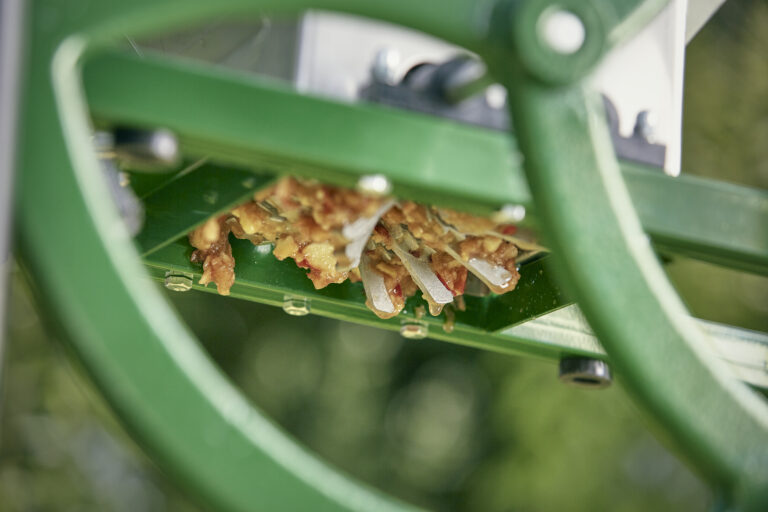
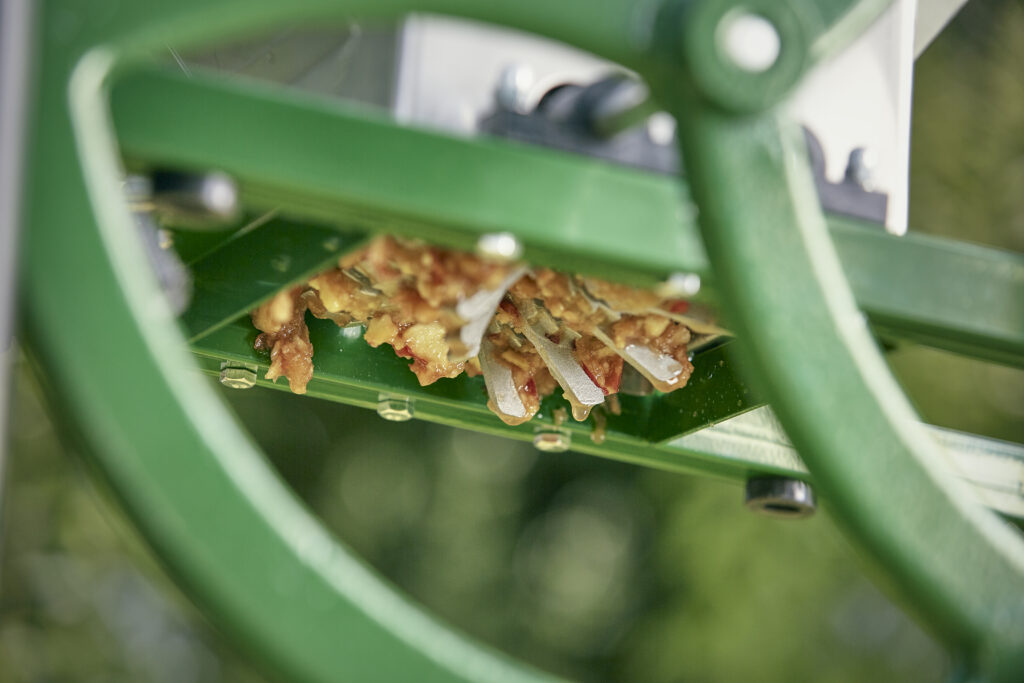
The apples are crushed into a coarse pulp to release their juice during pressing.

3. Pressing

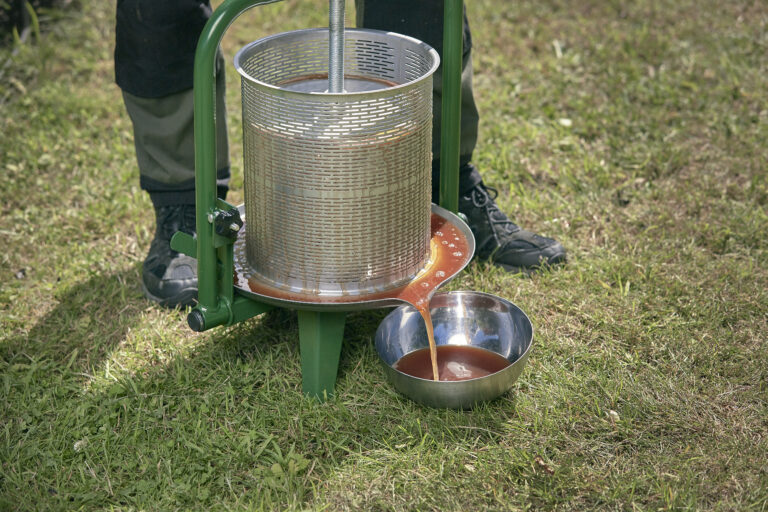
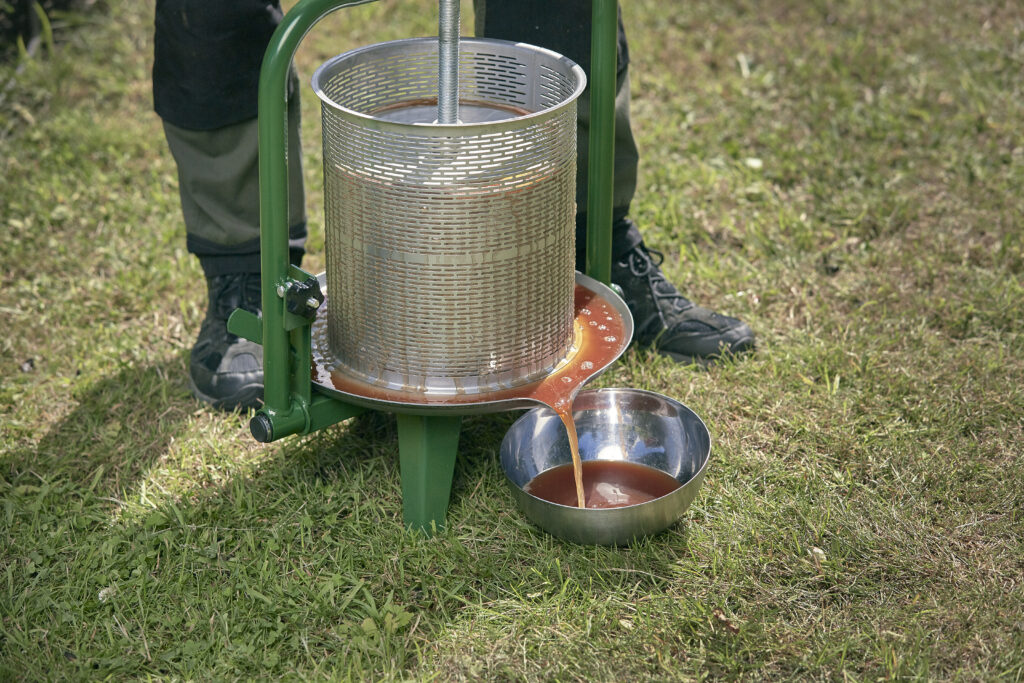
The pulp is pressed to separate the juice from the fruit solids.

4. Heating & bottling

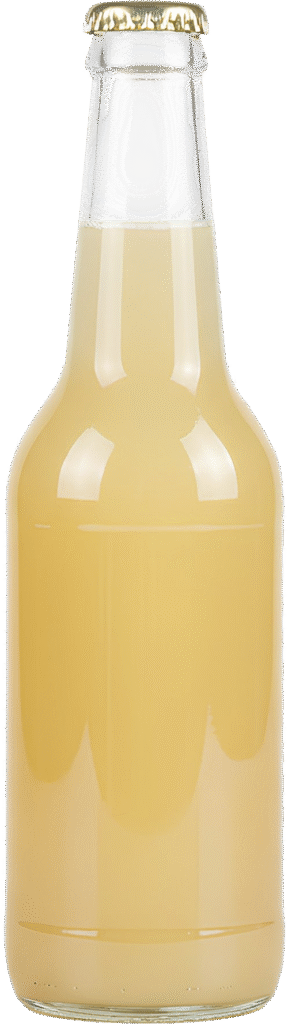
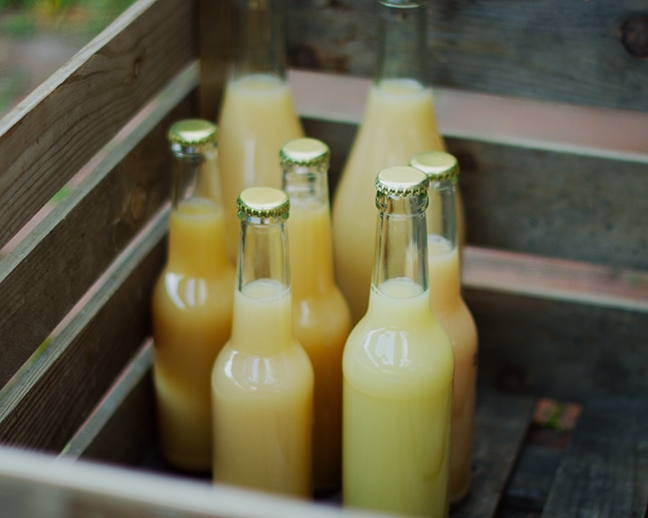
The apple must is gently heated for preservation and then bottled in clean containers.

Sorting and Washing

The foundation of a good apple must lies in the quality of the raw fruit.

The foundation of a good apple must lies in the quality of the raw fruit.

Sorting

Use ripe, whole, and healthy apples. Damaged, rotten, or pest‑affected fruit should always be discarded — even small defects can noticeably affect the flavour.

Washing

Rinse the apples thoroughly in cold water. This removes soil, leaves, and particles that could otherwise impact both flavour and shelf life. Wash the apples just before crushing to avoid unnecessary oxidation.

Ripeness and Flavour Balance

Sweetness and acidity vary between apple varieties. Blending several varieties often results in a more balanced apple must, while a single‑variety must develops a clearer, more distinctive character.

Crushing the Apples

Crushing makes the apples suitable for pressing.

Purpose

Whole apples cannot be pressed efficiently. Crushing releases the juice and increases the surface area, resulting in a higher yield during pressing.

Method

The fruit is crushed into a coarse pulp using a fruit crusher, grater, or similar equipment. The goal is a moist, even pulp — not a purée.

Impact on the Final Result

Even, consistent crushing makes pressing easier and produces a cleaner apple must without unnecessary cloudiness.

Pressing the Apple Must

Now the juice is separated from the fruit solids.

The Pressing Process

The crushed apple pulp is placed in a fruit press. By applying steady, even pressure, the liquid is extracted from the pulp. Press slowly to avoid making the apple must cloudy.

Yield

The yield depends on the apple variety, ripeness, and how well the apples were crushed. Drier varieties produce less juice, while juicy apples can yield significantly more.

Flavour Variation

Pressing brings out the apple’s pure character. The colour can range from pale yellow to deep amber, depending on the variety.

Heating & Bottling

For shelf life and safe storage.

Heat Treatment (Pasteurisation)

Heat the apple must to approximately 78 °C and bottle it immediately in pre‑warmed bottles. This extends shelf life while preserving the flavour without noticeably affecting it.

Unheated Apple Must

If you wish to avoid heating, the apple must must be frozen for storage. Leave extra headspace in the container to allow for expansion as the liquid freezes.

Bottles and Hygiene

Bottles should be clean and heat‑resistant. Fill them all the way to the top to minimise oxygen exposure, seal immediately, and allow them to cool.

Storage

Pasteurised apple must keeps well when stored in a cool environment. Once opened, a bottle should be consumed within a few days.